
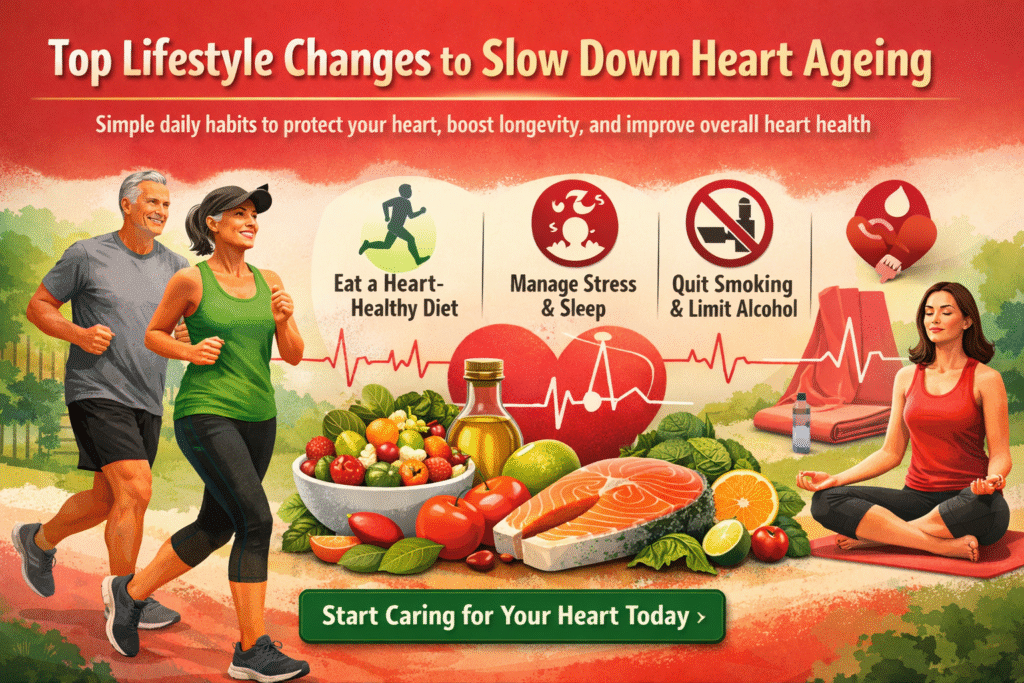
Top Lifestyle Changes to Slow Down Heart Ageing & Improve Heart Health
Your heart is your body’s most tireless worker, beating approximately 100,000 times each day, pumping blood through 60,000 miles of blood vessels. Yet despite its remarkable endurance, the heart is vulnerable to the effects of aging and lifestyle choices. The good news is that heart aging isn’t entirely predetermined by genetics—your daily habits play a crucial role in determining your cardiovascular health as you age.
Understanding Heart Aging
Before diving into lifestyle changes, it’s important to understand what happens to your heart as it ages. With time, the heart muscle can become slightly thickened, the arteries may stiffen, and the efficiency of blood pumping can decrease. However, research shows that many of these changes can be slowed, prevented, or even reversed through conscious lifestyle modifications.
1. Embrace Regular Physical Activity
Exercise is perhaps the most powerful tool in your heart-health arsenal. Regular physical activity strengthens your heart muscle, improves circulation, helps maintain healthy blood pressure, and reduces inflammation throughout your body.
Aim for a balanced approach: Combine aerobic exercises like brisk walking, swimming, or cycling with strength training exercises at least twice a week. The American Heart Association recommends at least 150 minutes of moderate-intensity aerobic activity or 75 minutes of vigorous activity weekly. Even if you’ve been sedentary for years, it’s never too late to start—studies show that beginning an exercise program in middle age can significantly reduce cardiovascular risk.
Start slowly if you’re new to exercise. A 10-minute walk after meals can be a perfect beginning. Gradually increase duration and intensity as your fitness improves. Remember, consistency matters more than intensity when it comes to long-term heart health.
2. Adopt a Heart-Healthy Diet
What you eat directly impacts your cardiovascular system. A heart-healthy diet can reduce cholesterol levels, lower blood pressure, decrease inflammation, and help maintain a healthy weight.
The Mediterranean diet has emerged as one of the best eating patterns for heart health. This approach emphasizes whole grains, fruits, vegetables, legumes, nuts, olive oil, and fish while limiting red meat and processed foods. Studies show that people following this diet have significantly lower rates of heart disease.
Key dietary principles include:
- Fill half your plate with colorful vegetables and fruits
- Choose whole grains over refined carbohydrates
- Include healthy fats from sources like avocados, nuts, seeds, and fatty fish
- Limit saturated fats found in red meat and full-fat dairy products
- Reduce sodium intake to help control blood pressure
- Minimize added sugars and processed foods
Omega-3 fatty acids, found abundantly in fatty fish like salmon, mackerel, and sardines, have powerful anti-inflammatory properties and can help reduce triglycerides and improve arterial health. If you don’t eat fish, consider walnuts, flaxseeds, or consult your doctor about supplements.
3. Maintain a Healthy Weight
Excess body weight, particularly around the abdomen, puts additional strain on your heart and increases risk factors like high blood pressure, diabetes, and high cholesterol. Even modest weight loss of 5-10% of your body weight can produce significant improvements in heart health markers.
Focus on sustainable changes rather than crash diets. Combine mindful eating with regular physical activity for lasting results. Remember that where you carry weight matters—visceral fat around the abdomen is particularly harmful to cardiovascular health.
4. Manage Stress Effectively
Chronic stress triggers the release of stress hormones like cortisol and adrenaline, which can raise blood pressure, increase heart rate, and contribute to inflammation. Over time, unmanaged stress accelerates heart aging.
Develop healthy stress management techniques:
- Practice mindfulness meditation or deep breathing exercises
- Engage in yoga or tai chi
- Maintain strong social connections
- Pursue hobbies and activities you enjoy
- Consider professional counseling if stress feels overwhelming
Even 10-15 minutes of daily meditation or relaxation practice can make a meaningful difference in your cardiovascular health.
5. Prioritize Quality Sleep
Sleep is when your body repairs and regenerates, including your cardiovascular system. During deep sleep, your heart rate and blood pressure drop, giving your heart a much-needed rest. Chronic sleep deprivation increases the risk of high blood pressure, obesity, diabetes, and heart disease.
Aim for 7-9 hours of quality sleep each night. Establish a consistent sleep schedule, create a relaxing bedtime routine, keep your bedroom cool and dark, and limit screen time before bed. If you snore loudly or experience daytime fatigue despite adequate sleep time, talk to your doctor about sleep apnea, which significantly increases heart disease risk.
6. Quit Smoking and Limit Alcohol
If you smoke, quitting is the single most important step you can take for your heart health. Smoking damages blood vessel walls, reduces oxygen in your blood, raises blood pressure, and increases clot formation. The good news is that your heart begins to heal almost immediately after quitting—within just one year, your risk of heart disease drops to about half that of a smoker.
Regarding alcohol, moderation is key. While some studies suggest small amounts of alcohol may have cardiovascular benefits, excessive drinking clearly harms the heart. If you choose to drink, limit intake to no more than one drink per day for women and two for men.
7. Monitor Your Numbers
Regular health screenings help catch potential problems early. Work with your healthcare provider to monitor:
- Blood pressure (aim for below 120/80 mmHg)
- Cholesterol levels (including LDL, HDL, and triglycerides)
- Blood sugar levels (to detect prediabetes or diabetes)
- Body mass index (BMI) and waist circumference
Understanding your numbers empowers you to make informed decisions about your health and track the effectiveness of your lifestyle changes.
8. Stay Hydrated
Proper hydration helps your heart pump blood more easily and helps your muscles work efficiently. Dehydration can strain your cardiovascular system. Aim for 8-10 glasses of water daily, adjusting for activity level and climate.
9. Build Strong Social Connections
Loneliness and social isolation increase heart disease risk. Meaningful relationships and social engagement contribute to lower stress levels, better health behaviors, and improved overall wellbeing. Make time for friends and family, join community groups, or volunteer—your heart will benefit.
Expert Care at Laxmi Hospital Kochi
While lifestyle changes form the foundation of heart health, having access to quality medical care is equally important. Laxmi Hospital Kochi offers comprehensive cardiac care services with a team of experienced cardiologists and state-of-the-art diagnostic facilities. Whether you need routine heart health screenings, advanced diagnostic testing, or specialized cardiac treatment, Laxmi Hospital Kochi provides patient-centered care with cutting-edge technology.
Regular check-ups with healthcare professionals can help you stay on track with your heart health goals, identify potential issues early, and receive personalized guidance based on your unique health profile and risk factors.
The Path Forward
Slowing down heart aging isn’t about perfection—it’s about consistent, sustainable improvements to your daily habits. Start with one or two changes that feel manageable, and gradually build from there. Small steps taken consistently over time produce remarkable results.
Remember that your heart health journey is unique to you. What works for someone else may need adjustment for your circumstances, preferences, and health conditions. Work with healthcare professionals to develop a personalized approach that fits your life.
Your heart has carried you through every moment of your life. By making conscious lifestyle choices today, you invest in a healthier, more vibrant future. The time to start caring for your heart is now—your future self will thank you for every positive step you take today.