
Silent Heart Stressors: Common Daily Habits That Could Be Hurting Your Heart
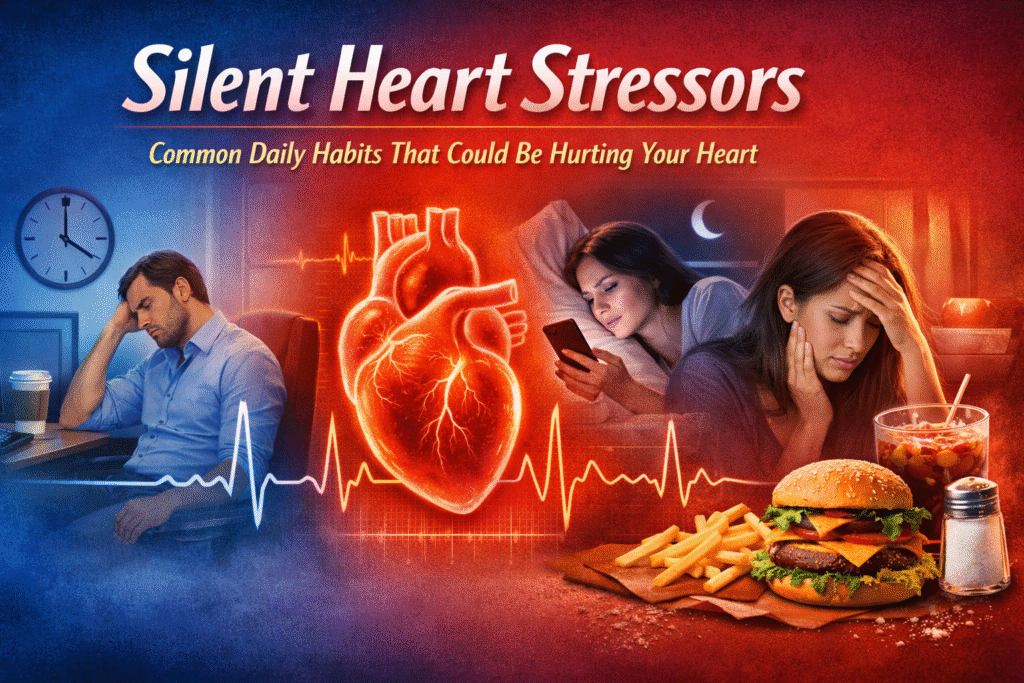
Your heart beats approximately 100,000 times each day, pumping life-sustaining blood throughout your body without you consciously thinking about it. Yet, many of us unknowingly engage in daily habits that place unnecessary stress on this vital organ, gradually compromising cardiovascular health over time. While most people are aware of major risk factors like smoking and obesity, numerous subtle lifestyle patterns silently chip away at heart health, often going unnoticed until serious problems develop. Understanding these hidden dangers is the first step toward protecting your cardiovascular system and ensuring a longer, healthier life. Laxmi Hospital Kochi, a leading healthcare institution in Kerala, emphasizes the importance of recognizing and addressing these silent heart stressors before they lead to irreversible damage. The Sedentary Lifestyle Trap In our modern world of desk jobs, streaming entertainment, and digital connectivity, prolonged sitting has become the norm rather than the exception. What many don’t realize is that extended periods of inactivity constitute one of the most significant yet overlooked threats to heart health. When you sit for hours without movement, blood circulation slows, cholesterol levels can rise, and blood pressure may increase—all contributing factors to cardiovascular disease. Research indicates that sitting for more than eight hours daily without physical activity significantly elevates the risk of heart disease, even among people who exercise regularly. The solution isn’t necessarily marathon training sessions but rather incorporating movement throughout the day. Simple changes like taking brief walking breaks every hour, using standing desks, or choosing stairs over elevators can make substantial differences. The cardiovascular specialists at Laxmi Hospital Kochi regularly counsel patients on the importance of breaking up sedentary time, noting that small, consistent movements throughout the day provide cumulative benefits that protect heart health far more effectively than isolated exercise sessions alone. Chronic Sleep Deprivation In our productivity-obsessed culture, sleep often becomes the first casualty of busy schedules. However, consistently getting less than seven hours of quality sleep per night places tremendous strain on your cardiovascular system. During sleep, your heart rate and blood pressure decrease, giving your cardiovascular system essential recovery time. Chronic sleep deprivation prevents this crucial restoration process. Studies have linked inadequate sleep to increased risks of high blood pressure, heart attacks, strokes, and irregular heart rhythms. Sleep deprivation triggers the release of stress hormones like cortisol, promotes inflammation, and disrupts metabolic processes that regulate blood sugar and cholesterol levels—all of which negatively impact heart health. Beyond quantity, sleep quality matters enormously. Conditions like sleep apnea, where breathing repeatedly stops and starts during sleep, force the heart to work harder throughout the night. Many people suffer from undiagnosed sleep apnea, experiencing fragmented sleep without understanding why they feel constantly fatigued. Laxmi Hospital Kochioffers comprehensive sleep disorder evaluations and treatments, recognizing that addressing sleep problems is fundamental to preventing cardiovascular complications. Unmanaged Chronic Stress Stress has become so commonplace in modern life that many people accept it as inevitable. However, chronic psychological stress represents a serious cardiovascular threat. When you experience stress, your body releases hormones like adrenaline and cortisol that increase heart rate and blood pressure—responses designed for short-term “fight or flight” situations. When stress becomes constant, these temporary protective mechanisms transform into persistent cardiovascular strain. Chronic stress contributes to inflammation throughout the body, promotes unhealthy coping behaviors like overeating or smoking, disrupts sleep patterns, and can lead to depression and anxiety—all of which independently increase heart disease risk. Additionally, stress affects heart rhythm, potentially triggering arrhythmias in susceptible individuals. The cardiologists at Laxmi Hospital Kochi emphasize that stress management isn’t a luxury but a medical necessity for heart health. Techniques like mindfulness meditation, deep breathing exercises, yoga, regular physical activity, and maintaining social connections all help mitigate stress’s harmful cardiovascular effects. For some patients, professional counseling or stress management programs provide essential support. Poor Dental Hygiene The connection between oral health and heart health surprises many people, yet substantial evidence links gum disease to increased cardiovascular risk. Periodontal disease creates a chronic inflammatory state, and bacteria from infected gums can enter the bloodstream, potentially contributing to arterial inflammation and plaque formation. Studies suggest that people with gum disease have two to three times higher risk of heart attack, stroke, or other serious cardiovascular events. The inflammatory processes triggered by oral infections may promote atherosclerosis—the buildup of fatty deposits in arteries that can lead to heart attacks and strokes. Maintaining good oral hygiene through regular brushing, flossing, and dental checkups does more than preserve your smile—it protects your heart. Laxmi Hospital Kochi encourages patients to view dental care as an integral component of cardiovascular disease prevention, not merely a cosmetic concern. Excessive Alcohol Consumption While moderate alcohol consumption has been associated with some cardiovascular benefits in certain populations, excessive drinking unquestionably harms heart health. Heavy alcohol use can lead to high blood pressure, heart failure, stroke, and cardiomyopathy—a condition where the heart muscle weakens and cannot pump blood efficiently. Binge drinking—consuming large amounts in short periods—places particularly acute stress on the heart, potentially triggering dangerous arrhythmias even in otherwise healthy individuals, a phenomenon sometimes called “holiday heart syndrome.” Additionally, alcoholic beverages contain significant calories that contribute to weight gain, another cardiovascular risk factor. The medical professionals at Laxmi Hospital Kochi define moderate drinking as up to one drink daily for women and up to two for men, with “a drink” meaning 12 ounces of beer, 5 ounces of wine, or 1.5 ounces of spirits. Exceeding these amounts regularly places unnecessary stress on your cardiovascular system. Ignoring Snoring and Breathing Problems Many people dismiss snoring as merely annoying to bed partners, but loud, chronic snoring often signals obstructive sleep apnea—a condition where airway blockage causes breathing to repeatedly stop during sleep. Each breathing pause triggers a stress response: oxygen levels drop, blood pressure spikes, and the heart races to compensate. Over time, untreated sleep apnea significantly increases risks of high blood pressure, irregular heart rhythms, heart attacks, and strokes. The condition also promotes insulin resistance and weight gain, compounding cardiovascular dangers. Unfortunately, many people with sleep apnea remain undiagnosed because they’re unaware of their nighttime breathing disruptions.