
Mucus in Stool: Causes, Symptoms, Diagnosis & Treatment Options
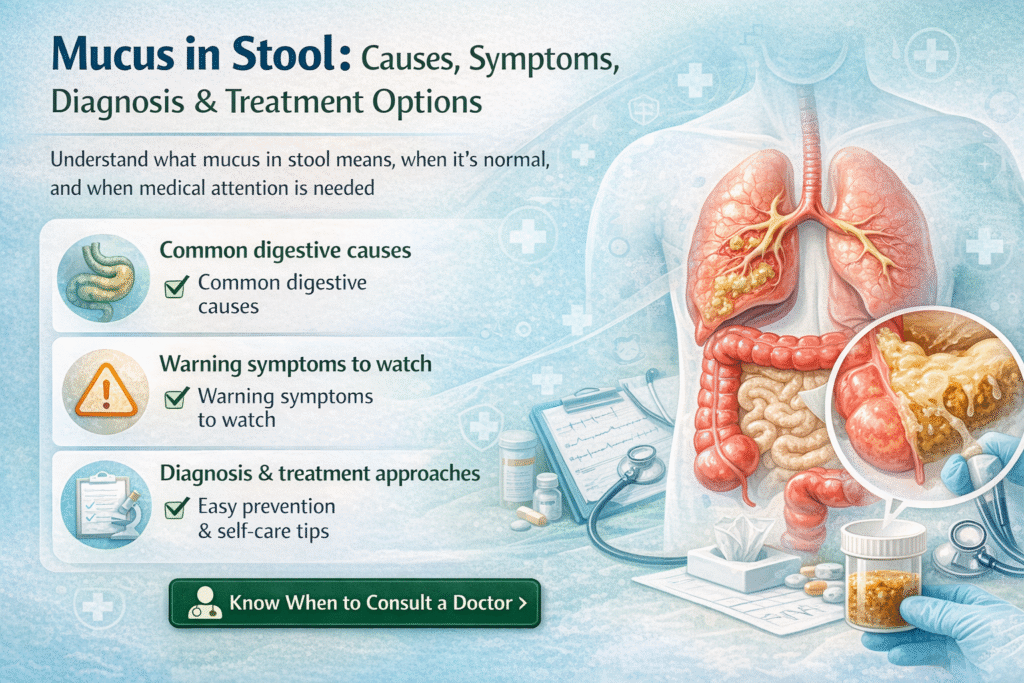
Mucus in Stool: Causes, Symptoms, Diagnosis & Treatment Options Adequate fluid intake is essential, especially if you’re experiencing diarrhea, to prevent dehydration and support normal digestive function. Stress Management Since stress can significantly impact digestive health, techniques like meditation, yoga, deep breathing exercises, and regular physical activity can help reduce symptoms. Expert Care at Laxmi Hospital Kochi When digestive symptoms persist or cause concern, seeking expert medical evaluation is crucial for accurate diagnosis and effective treatment. Laxmi Hospital Kochi offers comprehensive gastroenterology services with experienced specialists who can thoroughly evaluate and treat conditions causing mucus in stool. The hospital is equipped with advanced diagnostic facilities including modern endoscopy units, state-of-the-art imaging technology, and comprehensive laboratory services. Whether you need routine diagnostic procedures, management of chronic digestive conditions, or specialized treatment for complex gastrointestinal disorders, Laxmi Hospital Kochi provides patient-centered care with a multidisciplinary approach. The gastroenterology team at Laxmi Hospital Kochi works closely with other specialists to ensure that all aspects of your digestive health are addressed. From initial consultation through diagnosis and treatment, the hospital’s commitment to quality care and patient comfort makes it a trusted choice for addressing digestive health concerns in the Kochi region. Prevention and Maintaining Digestive Health While not all causes of mucus in stool can be prevented, you can take steps to maintain optimal digestive health: Practice good hand hygiene, especially before eating and after using the bathroom Eat a balanced diet rich in fiber from fruits, vegetables, and whole grains Stay well-hydrated by drinking adequate water throughout the day Exercise regularly to promote healthy digestion Manage stress through relaxation techniques Avoid foods that trigger symptoms Don’t ignore persistent digestive symptoms Get age-appropriate colorectal cancer screenings Moving Forward Discovering mucus in your stool doesn’t necessarily indicate a serious problem, but it’s your body’s way of signaling that something has changed in your digestive system. By paying attention to associated symptoms and seeking appropriate medical care when needed, you can identify and address the underlying cause effectively. Remember that digestive health is an essential component of overall wellbeing. Don’t hesitate to discuss concerns with your healthcare provider—early evaluation and treatment typically lead to better outcomes and faster symptom resolution. With proper diagnosis and management, most conditions causing excess mucus in stool can be effectively treated, allowing you to return to normal digestive function and improved quality of life.